
Leave the Empty Filament Visible
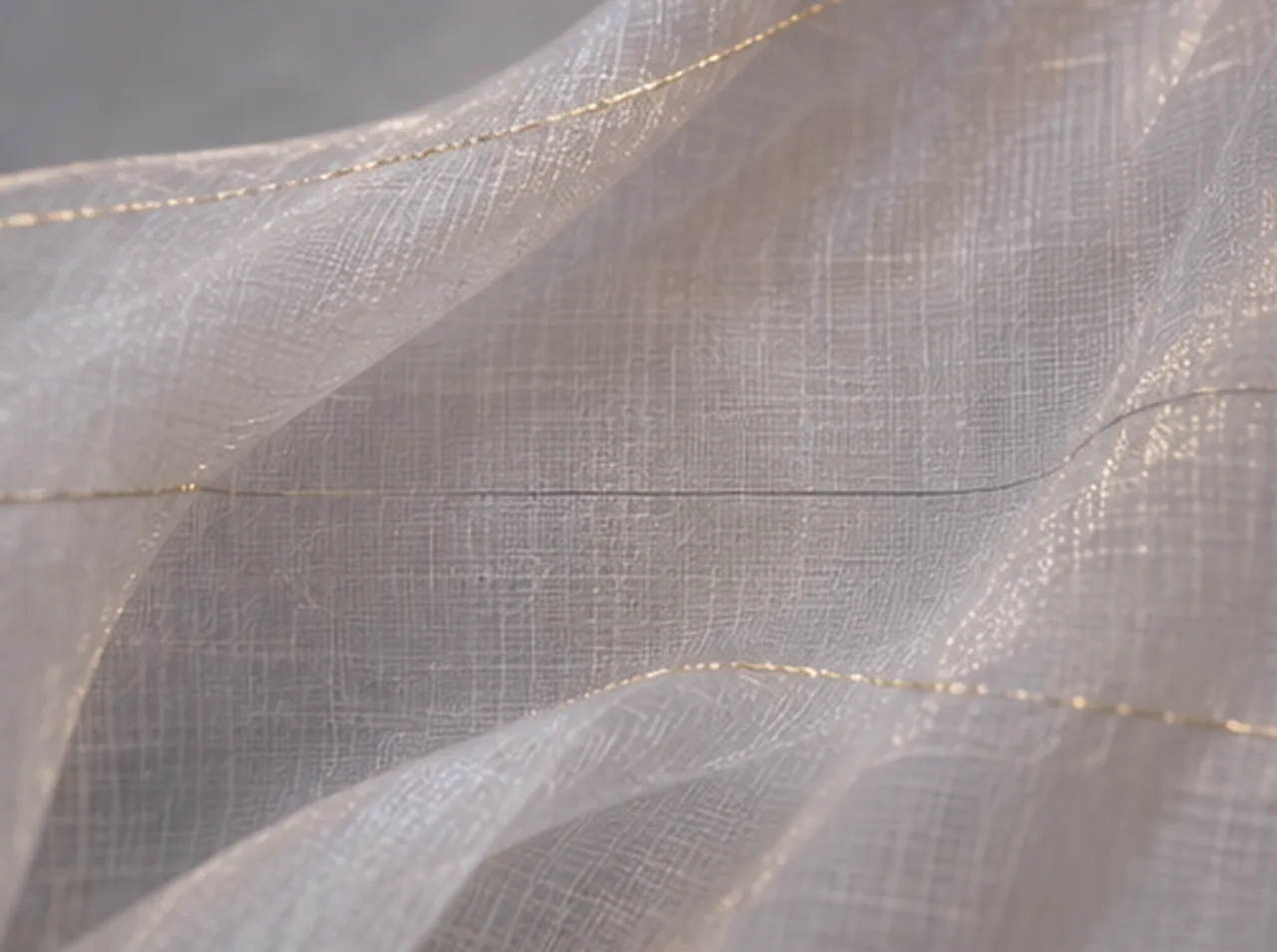
One section of a starlight garment in this study has a straight point of light and an unfinished line beside it. The initial sketch filled the empty line with a pale shape to tell the player where a repair belonged. It became hard to compare the two sides because the missing thread already looked as though it was there. We tried keeping the opening genuinely clear. The neighboring fabric can still suggest which direction the original filament took before the tailor makes a choice about what to put back.
Read something that belongs to both halves
Lay the garment flat near a clean piece of the loom. A seam closes around the opening on both sides, with one thick thread continuing to the left. The right side has a little hook of violet material where the line used to meet it. A side view can put the position of that hook nearly in line with a piece of the earlier thread. The Missing Thread of Lyra begins with a break like this. It gives the tailor an opportunity to locate the older pattern before committing to a replacement fiber that will slightly change how the finished cloth moves.
Use the open space while assessing tension
The old thread may still be visible beside its own reflection on the material. A second piece of yarn at the end of the opening can be laid out loosely to see how this angle changes before it is placed completely. A Narrow Change in Warp Tension shows how one fixed position can remain useful through two closes of the fabric. Here keep a pale seam in view so the player has a reference as the loose replacement shifts. If the new filament pulls it sharply toward the center, the possibility of a lower tension can remain open. The blank space can show that response without demanding a final join yet.
Bring the replacement into view without hiding the first line
Offer a light point at the beginning of the new thread. The rest of it lies under the cloth until a small roll brings it up. This gives the tailor a way to make a partial placement and look first at what it does to the nearby star. An old line should still be possible to follow to the edge of the gap from its earlier side. Bring the pale hook into that same view before straightening the nearer part of the frame. A small mark on the edge can remain visible when the two fibers appear close enough to join.
Check a repair from another line of vision
After a first attempt has been laid beside the older cloth, return to the upper opening of the frame. The two points can appear closer when the near corner is folded over. If the new filament fits only from that angle, a calmer flat view can show where it actually lies. Read North after Turning the Cloth uses a second reading after a garment moves away from its first direction. That study retains an outside point in the view. This one preserves an actual opening and the two older ends. The seam can indicate whether the change is in the cloth or only in how it is being held.
Let an unfinished repair carry a useful observation
A review can stop while the gap remains visible after one replacement is tried. Ask what the next tailor could infer from the two visible ends, and what further check would help them finish the repair. The cloth might offer room to move one head of the thread without removing all earlier work. A clear empty line makes that small decision possible in the world of the project. The first sketch already told the reader where to place a thread. The revised one asks them to inspect what the fabric can still remember before letting the new material occupy that opening.